
Reading is a vital life skill and is usually taught to children as soon as they start school. It provides a variety of advantages to adults and children alike and shouldn’t be taken for granted. As well as reinforcing all aspects of learning, reading is also a form of entertainment and relaxation for many people. I have teamed up with a prep school in London to explore the importance of reading for children in further detail.
Communication
One of the key benefits of reading is that improves a child’s ability to communicate. This is because it helps them broaden their vocabulary, so that they understand more words. It also teaches them to empathise. As a result, they will be better at dealing with social situations. Reading also improves a persons’ spelling and grammar, which is great for their written communication and their education in general. If your child comes across a word in their book that they do not understand, encourage them to look up the definition in a dictionary or online.
General knowledge
Reading is also great for expanding general knowledge. For instance, they may be reading about a story that is set in a different country or during a historical event, such as World War II. This allows them to learn about different cultures, geographical locations and important occurrences throughout history. Having well-rounded general knowledge will help your child in school. It will also give them something to talk about with friends and acquaintances.
Sleeping
For children who struggle to get to sleep at night, reading might help. It’s a form of relaxation because it allows the reader to immerse themselves in the story and forget about anything that might be troubling them.
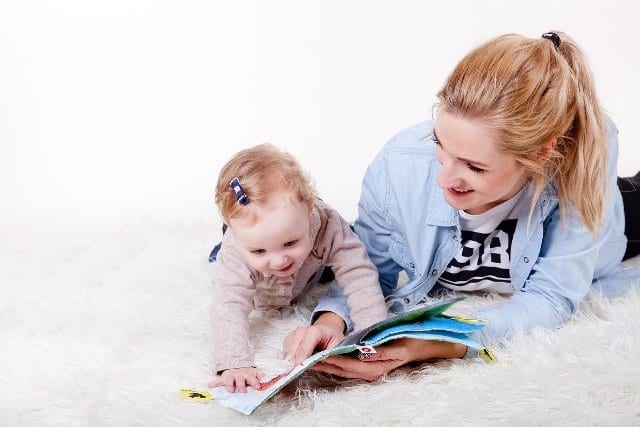
It’s never too early to introduce your child to books. Start when they’re little by reading to them before bed. Then, as they get older, let them become more independent with their choices in stories. Some children find reading boring, but that may because they haven’t found the right genre let. With that said, try and encourage them to read a variation of novels until the find a genre or author that they actually enjoy. Don’t hesitate to contact your child’s school if you would like some advice on what sorts of books are suitable for your child, depending on their age and competency. It also wouldn’t hurt to let your child see you reading from time to time so that they learn how normal it is.


