
As your child grows older, or even approaches their teenage years, they may no longer appreciate their bedroom. This could be due to a change in tastes and styles or, equally as likely, due to the opinions of their peers at school. There are ways that you can alter your child’s bedroom to help them express themselves, while still maintaining overall control over the look and feel of your home. Some of these changes may also help them to have a space to work on their mental health, as well as put effort into their studies.
Type of Bed
An older child may no longer like the bed that has carried them through their younger years. Instead, you might want to consider something that reflects their maturity, and makes the most of their space. A highsleeper bed can help them to get a good amount of sleep at night, while allowing for other activities to go on below. This could involve the storage of their items, or even a desk that allows them to catch up on schoolwork. Some may even have another form of sleeping, such as a futon underneath, which can be great for when your child wants one of their friends to stay over. You may need to be careful when taking measurements for these, to ensure that your ceiling is high enough that they don’t end up injuring themselves when climbing or sitting up.
Colours
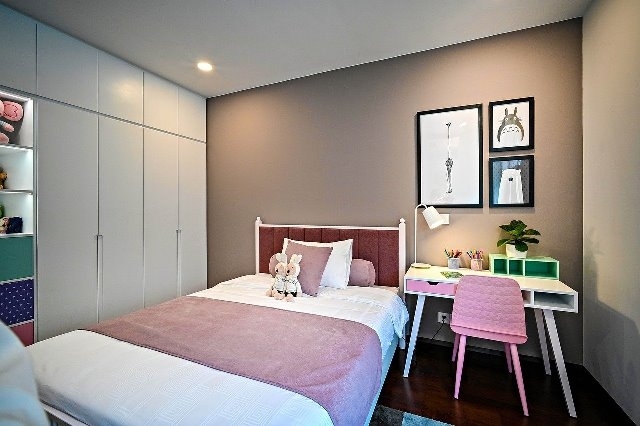
It is likely that, in your child’s early years, you would have been solely in charge of the colour of their walls. Now, your older child may have their own preferences regarding the colour of walls, flooring, and even the furniture in their room. You may want to consider the psychology behind colours, as you don’t want the room to overstimulate them at night, or be too melancholy. Using colour can also be a good way of cutting down on the costs of altering your child’s bedroom, as some pieces of furniture, as well as the walls, could be painted over, rather than spending on brand new items.
Lock
There is some debate on whether a child should be able to have a lock on their bedroom door. Some parents think that it is not suitable, potentially for safety reasons, whereas others feel that a trustworthy, older child could be granted that additional privacy. This would be down to you and your family to discuss. If you do choose to install one, it can help to have a spare key, just in case. If not, then you may need to consider a change to the rules regarding your child’s bedroom, such as knocking and waiting before entry to show that you respect their space.
As your child grows, they may not have the same likes or design tastes that they did when they were younger. By working together, you can give them more creative reign in their room, but still make sure that you have some level of authority as a parent.


