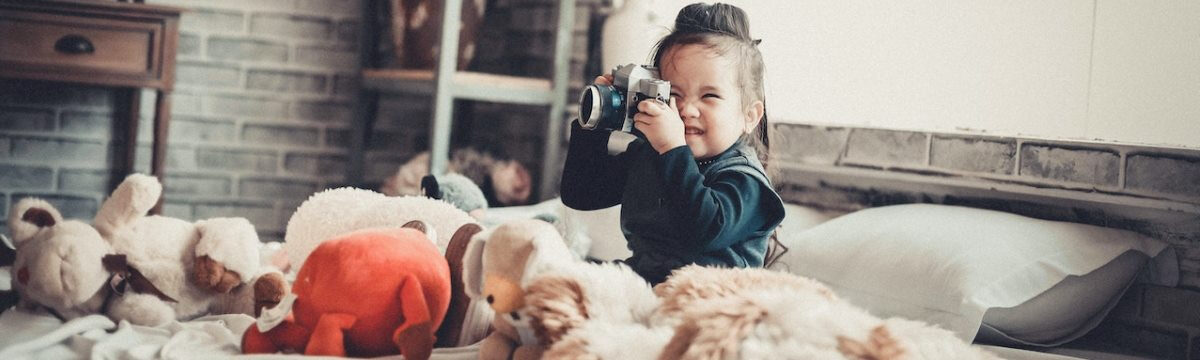
Many lofts go unused or quickly become default storage spaces in our homes. However, when thoughtfully converted, a loft can offer an additional bedroom space that’s perfect for children. Here are some things to consider when turning your loft into a kid’s bedroom. And, how to make sure they’ll love the space.

Planning
Before you start hiring contractors and designing the interior of the space, it’s important to make sure your loft meets the requirements to be a safe conversion. Most loft conversions don’t require planning permission but you’ll still need to meet building regulations.
The available head height needs to be a minimum of 2.2 metres from the top of the floor joists to the underside of the ridge beam. Generally speaking, the steeper your roof pitch the easier a conversion will be. And the more head height you’ll have in the finished room. You’ll also need space for a staircase leading up to your new loft room. You’ll want to consider any additional factors like water tanks that will need to be moved.
Add Storage
From toys to books to school uniforms, kids have a lot of stuff! When it comes to designing their perfect loft bedroom, it’s important to plan out where and how you’ll store items. You need to have as much room as possible free for playing, studying or hanging out with friends.
Utilise the vertical space in your attic room with clever shelving. Don’t forget to make the most of under-bed storage for toys, clothes or spare bedding. Finding freestanding furniture to fit in loft rooms can be notoriously tricky but getting storage specifically made for eaves can help utilise all the available space.
Think long term
We all know kids can jump from one interest to the next in seemingly no time at all. So avoid decorating their new loft bedroom in a current fad or you may find they grow out of it in a few short months! Rather than creating a room around their favourite show, movie character or favourite colour try to think of long-term solutions for the décor that still enable personalisation. Wall stickers and chalkboard paint allow you to get creative but can easily be swapped out if tastes change. Also framed wall prints and soft furnishings like curtains, cushions and blankets.
Flooring
Noise travels, and having a children’s bedroom at the top of the house, it’s important to consider what flooring will best quieten noise from any stomping or dancing feet. Wall-to-wall carpeting adds a layer of soundproofing that will dampen the thuds of boisterous play. It also provides a soft, warm, comfortable surface for your child to sit on. However, carpet is also harder to take care of than other floor surfaces. If you’re worried about stains or incidents with playdough or slime on carpets, you could also consider a floating floor for your kid’s attic room, which you can then lay laminate or hardwood flooring over.