Living abroad gives you the opportunity to experience new things and immerse yourself in a different way of life. However, living self-sufficiently can make it even more rewarding. Instead of relying entirely on external systems for things like food and income, you can build a lifestyle that ensures stability, sustainability, and a deeper connection to your new home.
This guide will help you pick up some practical strategies to help you thrive, wherever you are in the world.

Embracing sustainable living practices
Local food production
Relying on imported food limits your control over quality and availability, but growing your own produce is a practical way to ensure fresh, nutritious meals. If you have outdoor space, start a garden with climate-appropriate vegetables, herbs, and fruit trees. Even if you live in an apartment, you can grow herbs on a windowsill or use vertical gardening techniques.
Many regions also have edible wild plants. Learning to forage safely provides a free, seasonal food source – be sure to get advice from the locals before you forage on your own.
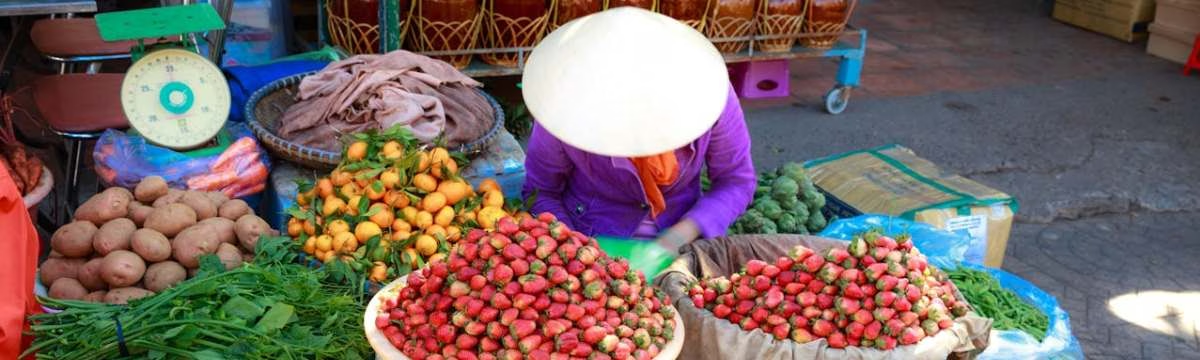
If you can, find out when the local farmers’ markets are held. Supporting these is good for your diet and also strengthens regional agriculture and reduces your carbon footprint.
Renewable energy solutions
By reducing reliance on public utilities, you gain both financial and practical security. Energy costs and reliability vary widely across countries. If you generate your own power, you insulate yourself from price fluctuations and outages.
Solar panels work well in sunny regions, while wind turbines suit areas with consistent breezes. Before installation, research local regulations and incentive programmes. In some places, governments offer subsidies for renewable energy adoption.
Regular maintenance is key to ensuring efficiency. Create a schedule so you remember to clean solar panels regularly and monitor battery storage capacity if you use off-grid solutions.
Achieving financial independence abroad
Remote employment opportunities
A steady income source will give you financial security, and remote work provides flexibility regardless of location. Freelancing platforms such as Upwork and Fiverr allow you to offer skills in writing, design, programming, or consulting. Remote jobs in fields like IT, customer service, and teaching English are widely available through sites like FlexJobs. Also, if you run an online business, consider providing digital products or services that cater to a global audience.
Be sure to check local tax laws and visa regulations first – some countries require specific permits for remote work while residing there.
Investing in local markets
There are several opportunities available if you invest locally. Real estate investments, for instance, can provide rental income, but you need to understand property laws and market trends before purchasing.
Additionally, investing in local businesses supports the economy while offering financial returns. Try looking for enterprises that match up with your expertise and interests.
If you’re comfortable with financial markets, forex trading offers another income stream, but it carries risks. Ensure you educate yourself thoroughly through resources like the Financial Conduct Authority’s guidelines before making any commitments.
Building and integrating into community networks
Language acquisition
Mastering the local language enhances both daily life and deeper integration into life in your new home. Speaking the language builds trust, helps with practical tasks like banking and shopping, and opens doors to friendships and business opportunities.
Start by using apps like Duolingo – but don’t stop there. Join language exchange groups, hire a tutor, or immerse yourself in conversations with locals. Many communities offer free language classes, particularly for expatriates.
Participating in local traditions
A strong community network offers support and a sense of belonging. Engaging with local customs, celebrations, and events allows you to understand cultural nuances and build meaningful relationships.
Attend public festivals, join hobby-based clubs, or volunteer for local initiatives. By respecting traditions and actively participating, you show commitment to living in your new home, which strengthens both your social circle and long-term happiness.