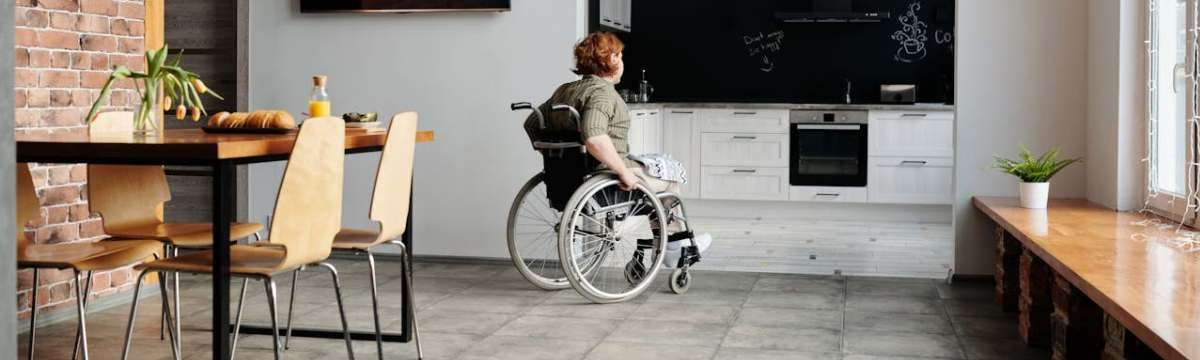
When it comes to home renovations, aesthetics and functionality are often the focus—but what about accessibility? Whether you’re a family juggling multiple needs, or you simply want your space to feel inclusive for visitors of all ages and abilities, designing with accessibility in mind is a smart and thoughtful choice. And no, accessibility doesn’t mean compromising on style!
From safe and practical kitchen layouts to clever bedroom solutions, here’s how you can create a beautiful, functional home that works for everyone.

The Kitchen – Where Functionality Meets Safety
The kitchen is often the heart of the home, but it can also be one of the trickiest spaces when it comes to accessibility. Small adjustments can make a big difference here.
Safe Features to Consider:
- Lowered Countertops: For homes with wheelchair users, having at least one section of your countertops set at a lower height can make meal prep accessible.
- Touch-Activated Faucets: These are not only stylish but also incredibly functional for people with limited hand mobility.
- Pull-Out Shelves: Bending down to reach those pots and pans at the back of a cabinet can be tough. Adding pull-out shelves works for everyone and helps keep things tidy.
- Lever-Style Door Handles: Forget fiddly knobs; handles that you push or pull are far easier for both children and adults with limited grip.
Pro Tip: When choosing appliances, look for those with front-facing controls for easy access!
The Bathroom – Practical and Elegant
Bathrooms are one of the most important places to design thoughtfully. The right modifications make this space safer and more functional without sacrificing the design’s elegance.
Safe Features to Add:
- Walk-In Showers: Replace bathtubs with a walk-in shower complete with a handheld showerhead. Add non-slip tiles and a foldable shower seat for added comfort.
- Grab Rails: No longer clunky and unattractive, modern grab rails come in sleek finishes to match your bathroom design.
- Under-Sink Clearance: For wheelchair users, ensure there’s space under the sink for easy access. Wall-mounted sinks are a good option.
- Motion-Sensor Lighting: Avoid fumbling in the dark by installing motion-activated lights, a practical touch for everyone in the family.
Don’t forget to choose fittings that are easy to grip or operate—small changes can make everyday tasks much easier.
The Bedroom – A Space Built for Rest and Ease
Your bedroom should be a sanctuary, but it also needs to be practical. With a few intentional design choices, you can ensure it’s both comforting and functional.
Accessible Updates to Consider:
- Lower Beds and Profile Options: Traditional bed frames can be too high for children or older individuals. Consider adjustable or profiling beds, which allow users to change the height and angle for maximum support and comfort.
- Smart Storage Solutions: Built-in wardrobes with pull-down rails maximise storage while ensuring items remain easy to reach.
- Clear Pathways: Ensure there’s enough room to move freely around the bed. For a wheelchair-friendly space, allow at least 900mm of clearance.
For Families with Boosted Needs
Investing in booster cushions can elevate chairs or beds to the perfect height for someone who has difficulty sitting or standing up. Many are compact and stylish, so they blend seamlessly into your decor while providing essential support.
The Garden – Nature for Everyone
Accessible living doesn’t have to stop indoors. Outdoor spaces should also be a joy for everyone to enjoy.
Inclusive Garden Ideas:
- Wide, Paved Paths: Ensure paths are wide enough for wheelchairs or strollers and made with smooth, non-slip materials.
- Raised Planters: Gardening is a wonderful activity for everyone. With raised planters, even those in wheelchairs can enjoy planting and pruning.
- Accessible Seating: Opt for benches and seating areas with back and arm support, making them more comfortable for longer stays.
- Lighting for All: Sensor lights make outdoor spaces safer and more inviting at night for every family member.
Balancing Style and Accessibility
Designing a home with accessibility in mind doesn’t mean you have to compromise on style. Modern manufacturers offer a wide range of products that cater to both form and function—sleek kitchen taps, elegant grab bars, and contemporary profiling beds are just a start.
By combining your personal style with practical features, you can create a space that’s not only beautiful but also adaptable to the needs of your entire family or future-proofed for years to come.
Plan Your Renovation with Accessibility in Mind
When designing an accessible, family-friendly home, it’s the small details that add up to create a big impact. Whether you’re planning a complete renovation or just a few thoughtful changes, these ideas can make your home a safer, more inclusive space that works for everyone.
Need help bringing your vision to life? Consider working with a specialist interior designer who understands accessibility features—or look online for inspiration and guides tailored to practical changes in specific rooms.
Remember, a home designed for all is a space where everyone feels comfortable, safe, and most importantly, at home.