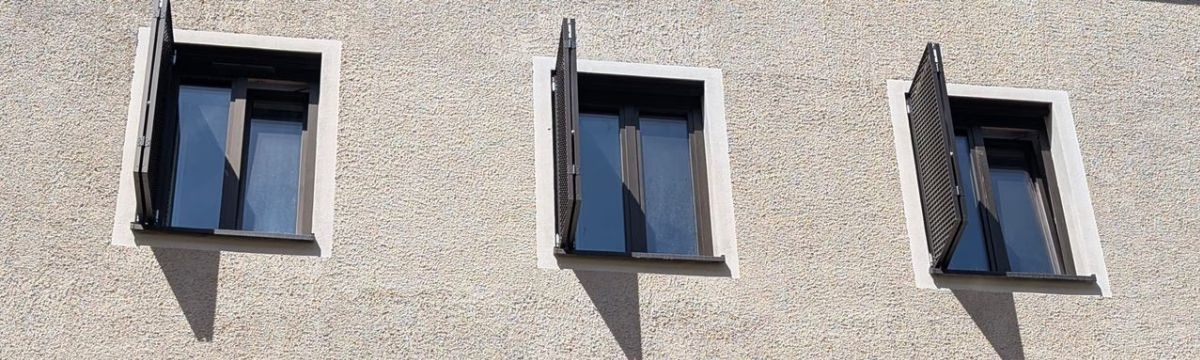
Fresh air changes how a home feels. It makes everything lighter, surfaces feel clearer, and it’ll help your mind stay sharper. As homes in the UK become better insulated and more thoughtfully designed, ventilation has edged into focus too. It now sits alongside lighting and layout as something worth planning, not fixing after the fact. Here’s why it’s worth paying attention to.

What is ventilation?
Ventilation is simply the movement of air in and out of your home, but it carries more weight than it sounds. When that flow slows down, everyday activities start to leave a mark – be that steam gathering on windows, cooking smells that just won’t leave you alone, or, worst case, cool and damp corners. In many UK homes, especially older builds but also true for well-sealed new ones, that’s a rough balance to find, and it can easily tip the wrong way.
How can you tell if your ventilation is off? Well, condensation tends to be the first sign. Left alone, it can lead to mould, peeling paint, and damage to soft furnishings. Beyond this visible issue, stale air holds onto pollutants from cleaning products, pets, and general living. It’s subtle, but it changes how a room feels to spend time in. Good airflow protects walls and finishes while making the air feel fresher and easier to breathe.
Solutions for better airflow
Ventilation doesn’t have to conflict with good design. In fact, some of the most effective solutions are built right into how a space looks and flows! Layout plays, of course, a big role. Open-plan areas allow air to move freely, especially when paired with windows on opposite sides to create a natural cross-breeze. Even in smaller homes, small adjustments — like partial walls or wider doorways — can help air circulate without losing structure.
The position and usability of your windows matter a lot. Being able to open them in different ways, even slightly, keeps air moving throughout the day. Features such as trickle vents add a steady background flow without making the room feel exposed to the elements. Materials also come into play. Breathable paints, natural fibres, and solid wood all handle moisture better than synthetic alternatives, helping to regulate the feel of a room. Furniture placement often gets overlooked as well. Pushing pieces tight against external walls can trap pockets of cold, damp air, but pulling them forward just slightly allows the room to breathe.
Practical everyday upgrades
You don’t need a full redesign to improve the way your home breathes. Start with what you already have. Check vents and air bricks for dust or blockages, and give them a quick clean. Even small build-ups can slow airflow more than you’d expect. In kitchens and bathrooms, let air move on after you’ve finished using the space. Doors slightly ajar and a window cracked open for ten minutes can shift lingering moisture before it settles into grout or paintwork.
A few smart additions help things in the background. Humidity monitors are relatively inexpensive, while timer switches keep air moving just long enough without running all day. If you’re renting, focus on flexible fixes: lighter curtains, breathable bedding, and keeping wardrobes a touch away from external walls.
Homeowners have a few more options to play with. Trickle vents in window frames maintain a steady exchange of air, and in rooms that see heavy use, a discreet fan setup can step in, with an extractor fan tucked into a ceiling or cabinet, to clear steam quickly. Keep changes simple and consistent, and you’ll notice the payoff across the whole home almost immediately.
Balancing function and style
The trick is to let it blend things into your interiors rather than compete with them. Modern fittings make this easier than ever, but even visible elements can feel intentional when the finish matches your broader palette, like a matte black, brushed metal, or soft white that disappears into the background.
Think about how air moves through your space as part of the design story. A well-placed internal window or glazed partition keeps sightlines open while allowing air to circulate between rooms. It’s practical, but it also adds character and light. In smaller homes, mirrored surfaces and lighter wall colours help reflect both daylight and a sense of openness, reinforcing that airy feel even when square footage is limited. Swap heavy, moisture-trapping fabrics for natural alternatives like cotton or linen, which breathe more easily and support airflow. Leave a little room around furniture so air can travel behind it, especially along colder external walls. Treat ventilation as part of your family home’s rhythm, and the payoff is a space that stays fresh, balanced, and ready for whatever the day brings!


Such helpful ideas for busy parents! The way you make these suggestions feel achievable rather than overwhelming is a real skill. I’ve been sharing similar resources with my parent group from buildaringfarm.io — always looking for practical wins.
Such helpful and actionable tips — thank you! I organize home and family planning resources in this documentation tool and posts like this one are exactly what I bookmark for later reference.