
Gifting a property to family members is not only a generous thing to do but can also be a smart move. In the short term, it can help lower the taxes you pay. And in the long term, it can reduce inheritance tax for your kids once you’ve pass away.

Inheritance tax in particular can cause parents a good deal of stress, as for many, they want their kids to pay as little tax once they have passed on. Solicitors for wills and probate are able to help people make sure that their kids pay as little tax as possible once their parents have passed.
In this article, we’re going to look at how parents can gift a holiday home to their children and, what the benefits of doing so may be….
What is Gifting in a Will?
The term ‘gifting’ refers to the act of giving your beneficiaries some or all of their inheritance whilst you’re still alive. One of the main reasons for doing this is to reduce the overall value of the assets that you own so that by the time you die, there will be less inheritance tax that will need to be paid. Whilst, this is a fairly common practice, there are rules and regulations that you need to adhere to.
It is important to note that, if you die within seven years of making a cash gift, your beneficiaries may still have to pay inheritance tax on this gift, this is known as a Chargeable Transfer. For this reason, it’s vital that you keep records of who you have gifted, as well as the amounts. If, however, you live beyond the seven-year period, the gift to your beneficiaries will not be subject to inheritance tax.
In the UK, residents can gift up to £3000 per year without it being subject to inheritance tax. UK residents may also gift cash as a wedding present. However, the cash has to be given before the wedding and it must be under a certain amount to be exempt from inheritance tax.
What is Inheritance Tax?
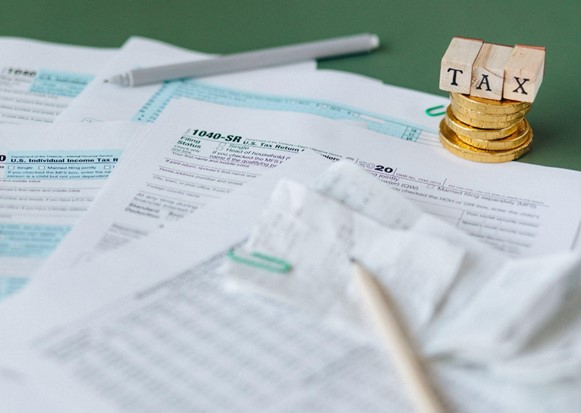
When a person passes away, and they leave behind assets, such as cash or property, their beneficiaries may have to pay tax on their inheritance. Under UK law, any inheritance above the amount of £325,000 is subject to inheritance tax which is charged at 40%. The charge, however, only applies to the portion of the estate which is above the threshold. For example, if the total inheritance is £500,000, inheritance tax will only be charged on £175,000.
There are a few ways, including gifting, in which you can minimise the amount of inheritance tax that your beneficiaries have to pay. This means that less of your hard earned cash goes to the taxman. Let’s dive into these a bit further…
Gifting a Holiday Home
If you own a second home or holiday home, and you wish for this property to be passed onto your children, this can be done in a number of ways:
Via your Will
You can leave your second property to your children in your will as you would with other assets. In this instance, the property is part of your estate and, as such, provided that the total assets are valued at above £325,000, your children will need to pay inheritance tax on this bequest.
Selling The Property
During your lifetime, you can sell your second property to provide additional cash for your children. However, this cash, whether given as a gift or left as a bequest in your will, is subject to taxation unless given within the yearly gift allowance of £3000.
Gifting a Rental Property
If you gift a property to your children but continue to receive some benefit from it; for example, you receive rent or fees from tenants or guests then this is classed as a ‘Gift With Reservation of Benefit’ (GROB). In this case, the property is deemed to be still part of your estate and, therefore, your children will be subject to the standard 40% inheritance tax.
There are a couple of ways. However, that you can get around this:
- Partial Bequest: This is where you are permitted to gift a share of the property, for example, 50%, to your children and continue to receive rent. Inheritance tax will therefore not apply as long as the property is being let out.
- Market Rent: This is where you can gift the property to your children and then pay them a market rent in order to circumnavigate the GROB rules. However, this will involve a cash outlay on your part. Additionally, your children will generally have to pay income tax on the market rent that you pay to them and so are still subject to a tax, albeit at a rate lower than inheritance tax.
Gifting a Holiday Home

If your second property is used solely as a holiday home used by yourself and your family, then you may gift this to your children without the gift being subject to inheritance tax. This is as long as the property is not used for commercial purposes, for instance, being let out to guests for a fee. In this case, you should, however, pay at least some of the outgoings yourself. Whilst, this is an effective method of avoiding inheritance tax, the property may still be liable for Capital Gains Tax and stamp duty.
Trust Fund
A trust fund, or will trust, allows you to place cash, property or investments with a trustee to be passed onto a child or grandchild at a predetermined time; for example, when they turn 18. In this instance, Capital Gains Tax may be applicable but, usually, inheritance tax will not. Another benefit to using a trust is that it gives you ultimate control over who gets what and when.
Thinking of Gifting a Home in your Will?
It’s only natural to want your children to keep as much of their inheritance as possible. Gifting a second property through the methods mentioned in this article can help to minimise the cost to your children, if not eliminate it altogether.
If you have considerable assets to pass onto your children or grandchildren, it’s always a good idea to get onboard with the services of a good financial advisor. They will be able to help you navigate the often complex world of inheritance and tax.
Finally, if you are planning to bequeath property, investments or cash to loved ones, it’s incredibly important that you create a will which clearly states your intentions. Your will should be updated regularly, and a copy should always be held by a reputable solicitor.
Please be advised that this article is for general informational purposes only. It should not be used as a substitute for advice from a trained financial professional. Be sure to consult a financial advisor if you’re seeking advice on your finances. We are not liable for risks or issues associated with using or acting upon the information on this site.