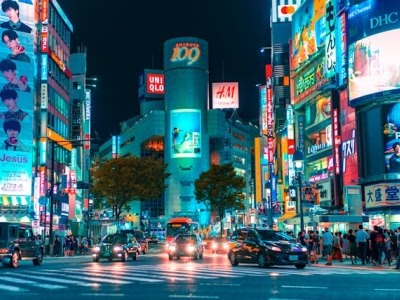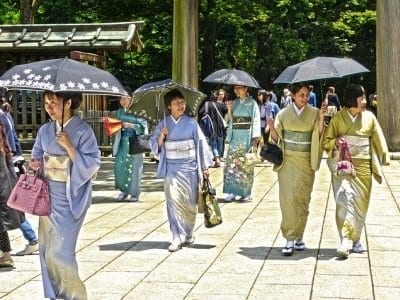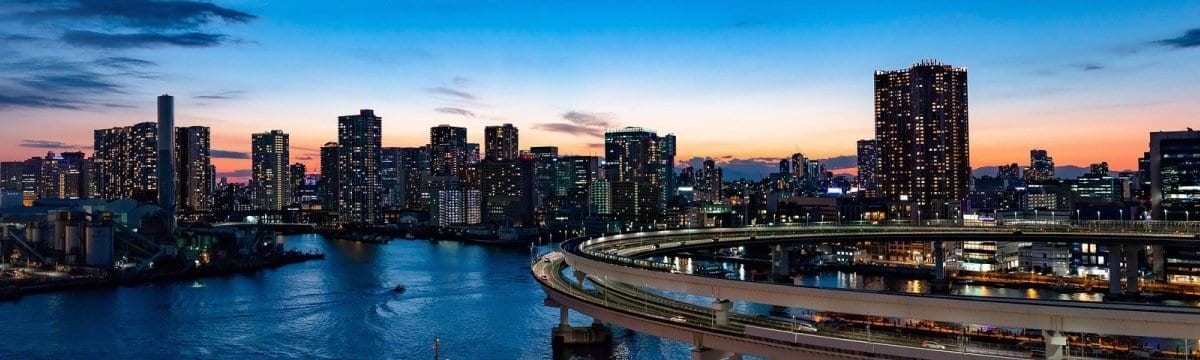
Tokyo is a city that has a blend of both modernism and tradition. It is a frenzy and energetic city all round the clock hosting video games, anime, and top-notch technology that wows everyone.
If you have never visited Tokyo, I have some tips for you, so start packing.
The best time to visit Tokyo
A good time to visit Tokyo is usually in the summer, but the temperatures can be quite warm during this time. June to August temperatures are 32 degrees Celsius or 89 degrees Fahrenheit.
April and May have cooler temperatures with a little rain here and there. March to April is the cherry blossom season, and you should expect massive crowds in the city. If you plan to visit then, ensure you book the Cathay Pacific flight services early to avoid inconveniences.
September to November is also suitable as it is quite warm as well. However, expect large crowds in Tokyo since it is one of the most visited cities globally. If you are to visit during summer, ensure you plan early to beat the many people and book your accommodation early.
So, typically the best months to visit are in March, April, September and November when the weather is favorable and perfect.
Airport transfer
When you arrive in Haneda, you can take the local train. But when you arrive during off-hours, book a private transfer from Haneda to save yourself the hassle.
When you land in Narita, you can get to the city via Narita express or Tokyo Keisei Skyliner which transits to Ueno station in like 40 minutes. From there you can use the local busses to connect you to the station near your accommodation hotel.
Getting around Tokyo
Tokyo has a comprehensive transport system so getting around in the city is easy. There is an underground, over ground and a bus system. As soon as you reach the town, ensure you get a rechargeable travel card. You can get one at any ticket machine, and you can use it for every train and bus.
The local maps and guides to the transportation system are usually in the international language English but can be confusing for a first-timer. Arm yourself with google maps which make exploring the city’s train system easy.
Trains are operational from 5 am to 12 am, and things get confusing in the rush hour, so avoid it if you can. If you always worry about security, there are women-only cars for extra protection and safety.
Taxis in Tokyo
Taxis in Tokyo are not any cheaper than the public transport system. Fares range from 475 JPY to 415 JPY per kilometer, and it is advisable to avoid them if you are budget conscious.
The taxi fare hikes when you sit in traffic and all accept cash while some accept even credit cards. When hailing a taxi at the street, check the sign on the dashboard, if it is red, the cab is vacant, but if the lights are green, it is already full.
There are taxi-hailing apps such as Japan Taxi that use GPS technology to track a taxi that is next to you and connect you through. Most of the drivers leave the car unlocked and closely monitor it to open for you when you board.
Language
Tokyo is full of Japanese speakers and a few English speakers so having a translation app will come in handy. Learning a few Japanese phrases for when you travel further away from the city as you will need more help with translation.
Accommodation
There are budget hotels in the city where you can pay at least 6500 JPY, for a double bed in a two-star hotel. In middle range three-star hotels, prices begin from 8500 JPY while in capsule hotels you will pay 3000 JPY for a tiny room with a bed. But it is unique and offers a Japanese experience.
Most of the hostels in Tokyo charge 3000JPY for a night while providing free internet. There are self-catering services where you can cook and serve your meals. There are only a few hostels that offer free breakfast, so ensure you book your hostel early.
Food
There are many eateries to eat your food from Tokyo. Many cheap eateries are available mostly serving the local food ramen and soba noodles. This type of Tokyo dish can range from 300-1250 JPY for a single meal depending on the eatery.
The mid-range restaurants serve at around 2500 JPY per person. Some sushi cost 100-700 JPY for a single piece and if you want fast food in Tokyo, think of KFC and McDonalds.
If you are budget-conscious, you can find plenty of cheap foods and pre-packaged noodles, tofu, rice balls and sushi for only a few Japanese yen.
When you buy groceries in Tokyo, ensure you wash them thoroughly to remove the chemicals. In Japan, there is not much arable land, and agricultural products rely heavily on pesticides for peak productivity.
Sanitation in Tokyo
Tokyo holds high regard to sanitation. Although public garbage bins are rare, most people tuck away their trash in their bags for safekeeping until they get a proper disposal bin.
Public bathrooms are all over Tokyo well equipped and western style. But you should be prepared for having to use a squat toilet or the need to supply your toilet paper.
Walk on the left
People in Tokyo walk and drive on the left so you will notice many people keeping to the left. Ensure you follow the flow to avoid disturbing the traffic.
In addition to that, when exploring the city, use a bilingual map. While people are willing to stop and help, showing them an English map can be confusing and make it complicated to get directions. An English/ Japanese map is ideal and can be valuable when asking for help from a local or when lost.
Get yourself a Wi-Fi device
Very few places in Tokyo offer free Wi-Fi so having your Wi-Fi device is as valuable as any other essential. Japanese people utilize 4G or hotspots provided by their ISPs.
Conclusion
Tokyo is an unmatched city with unique experiences that will leave you wanting to go back there. Remember to save money by skipping taxis, shopping at 100-yen stalls and getting a transportation pass.