Japan is one of those destinations that seems to sit on everyone’s bucket list. From neon-lit cities that buzz with energy to serene temples surrounded by cherry blossoms, it’s a country that blends the futuristic and the traditional in a way no other place quite does. Add to that the incredible food, welcoming people, and unique culture, and it’s no wonder so many travellers dream of making the trip.
The question for most first-timers isn’t whether to visit Japan, but how long to stay. You don’t need months to appreciate the country. Even 10 to 14 days can give you a real taste without stretching the budget too far. That’s enough time to experience the bustle of Tokyo, soak up history in Kyoto, and take a day or two to explore beyond the major cities.

When to visit Japan
One of the first things to consider when planning a trip is timing. The country is beautiful year-round, but certain seasons stand out. Spring is world-famous for cherry blossoms. Autumn brings stunning red and gold foliage. Winter is a favourite for skiing in Hokkaido. Summer festivals can be lively and colourful.
That said, there are times worth avoiding if you can. Golden Week (late April to early May) is one of Japan’s busiest holiday periods, when transport and accommodation book out months in advance. The New Year is another time when locals travel to be with family. Mid-summer months can be hot, humid, and uncomfortable, so it’s worth avoiding even if you find cheaper prices.
If you’re flexible, the best time to visit Japan often falls in the shoulder seasons of spring and autumn, when the weather is pleasant and tours are plentiful. Many guided trips are timed to match blossom season or autumn colors, making it easier to plan your visit around the highlights while avoiding the worst of the crowds.
Understanding Japan’s regions
Japan stretches across thousands of kilometres, from snowing Hokkaido in the north to the tropical islands of Okinawa in the south. Each region has its own personality, so you want to get familiar with the geography before going:
- Hokkaido – Famous for its ski resorts, lavender fields, and wide open landscapes, this northern island is ideal for nature lovers.
- Tohoku – A quieter region full of countryside, hot springs, and traditional festivals, perfect for travellers wanting a slower pace.
- Kanto – Home to Tokyo and its surrounding areas, this is the hub of modern Japan with a mix of neon cityscapes and historic temples.
- Kansai – Often considered the cultural heart of the country, featuring Kyoto’s shrines and gardens, Osaka’s food scene, and the historic city of Nara.
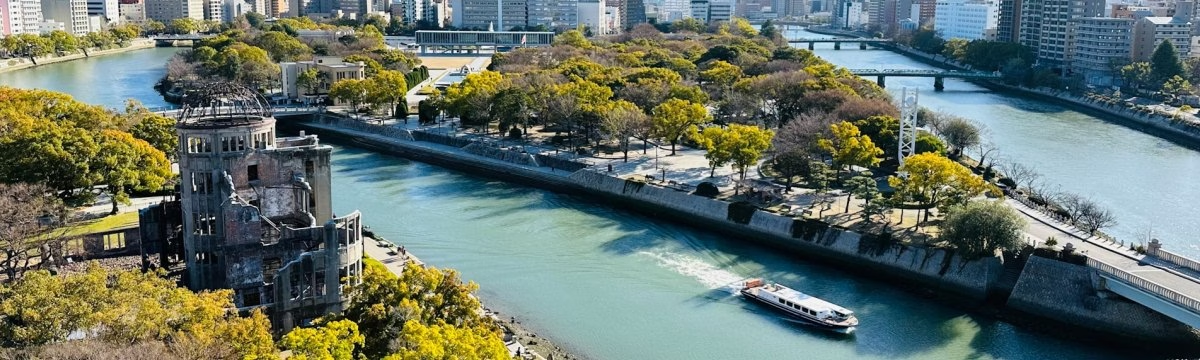
- Chugoku – Best known for Hiroshima and the beautiful island of Miyajima, with its iconic “floating” torii gate.
- Kyushu – A southern region with volcanic landscapes, hot springs, and the cosmopolitan port city of Nagasaki.
- Okinawa – A string of islands with a subtropical climate, famous for beaches, diving, and a slower island lifestyle.
Getting a sense of these regions makes it easier to plan a route that balances city life with cultural and natural highlights.
Must-sees in Tokyo
No trip to Japan is complete without experiencing the must-see places of Tokyo. The capital is a city of contrasts. One moment you’re wandering through a peaceful shrine, and the next you’re standing in the middle of Shibuya Crossing with neon lights flashing all around you.
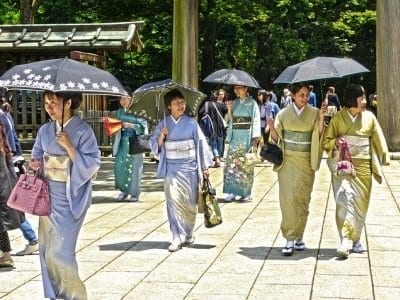
So, you certainly want to come prepared with a list of to-do and to-see things, including taking a ninja class, visiting the metropolitan government building #1, wearing a kimono on the street, heading to the artificial island Odaiba for its entertainment spots, walking to the Meiji Shrine, and taking a stroll through the Tsukiji fish market.
There is so much to do and to see, so you want to prepare a list of what truly interests you so you can focus your energy on these. Remember to make time for relaxing, especially if one of the cosy cafes around.
Japanese food you should try
Japanese cuisine is one of the highlights of the trip, and it goes far beyond the sushi and ashimi that most travellers know. Food in Japan is deeply regional and tied to tradition, which means every stop offers something different to taste.
Ramen is a must, of course, with styles that vary from city to city: rich miso in Sapporo, shoyu in Tokyo, tonkotsu in Fukuoka, etc.
Osaka is the place to try okonomiyaki (savoury pancakes) and takoyaki (octopus balls).
Kobe is world-renowned for its melt-in-the-mouth wagyu beef.
For something truly special, a kaiseki meal is a gourmet meal, and you can find some amazing restaurants in Tokyo and Kyoto for it.
Also, let’s not forget about street food stalls and small izakayas, which are also worth exploring.
Myths and legends
Japan’s culture is rich with myths and folklore. Stories of spirits, gods, and mystical creatures are woven into daily life.
The fox spirit, kitsune, is one of the most famous figures in Japanese folklore. The fox spirit is clever, shape-shifting, and often linked to the god Inari. You’ll find statues of foxes at shrines such as Fishimi Inari Taisha in Kyoto.
You can also learn about the oni (demons), who appear in festivals and stories to scare away bad luck.
Also, listen to tales of the tengu, a long-nosed creature that is often connected with mountain temples.
Basic etiquette for travellers
Respect is at the heart of Japanese culture. So, learning a few basics will help show appreciation for local customs.
Simple greetings like konnichiwa (hello) and arigatou gozaimasu (thank you) are always welcome. Sumimasen (excuse me) is handy in busy places.
There are also some unspoken rules to keep in mind. Shoes should be removed when entering homes, as well as some traditional restaurants and temples. There will typically be signs to let you know where to leave your shoes.
On public transport, it’s polite to keep your voice low and avoid talking on the phone.
One thing that surprises many travellers is the rule about tattoos. Attitudes are changing, but many Japanese people still associate tattoos with organised crime. So, in some public baths (onsen), pools, and gyms, you may need to cover your tattoos to be allowed access.
Ultimately, Japan is a fantastic travel destination with lots to explore and learn. But if you want to make the most of it, you need to prepare ahead!