I’d like to think I’m pretty good when it comes to money. Yes, I’d rather spend than save – but I only spend what I have (excluding the odd store card here and there!) However, having been self-employed for getting on for 19 years now, I’ve learnt that there’s no such thing as a regular income. Sometimes – those good days – you invoice enough not only to live, but to buy that next trip outright too; and then you have periods of extreme quiet, where no one seems to want to offer you work. It’s a rollercoaster, and it’s not for everyone. Your bank – even though you’ve had an account with them since you were 17 – dislike you, as they like customers who have a pay cheque paid in every month. I’m unpredictable, and in their eyes I’m unreliable. If I ever need financial help, they are the last place I’d go to. Loyalty means nothing these days.
How do I manage money?
When I first became a freelancer, work was frequent. Scratch that – work was plentiful. I employed friends to do some research for me, so I could write, write, write. I worked through the nights, said ‘yes’ to every project, even when I knew I’d have to cancel plans to meet the deadlines. As a freelancer it’s important never to turn projects down; the client could go elsewhere, and you’d lose future commissions. But during these times, work was in abundance – as were funds. I put chunks away as savings, ‘just in case’. This is really important.
‘Just in case’
I’ll never forget a phonecall I took that basically took my income from hero to zero in less than a minute. It was a few years ago now, and I was told that all the work I used to get was now going to be sent to India, where the workforce was cheaper. There was nothing I could say – it was a company-wide new initiative, and I became excess to their requirements. Over the following months, other clients followed suit – my ‘just in case’ money was now being used to live on, but it didn’t last forever.
Stay at home mum
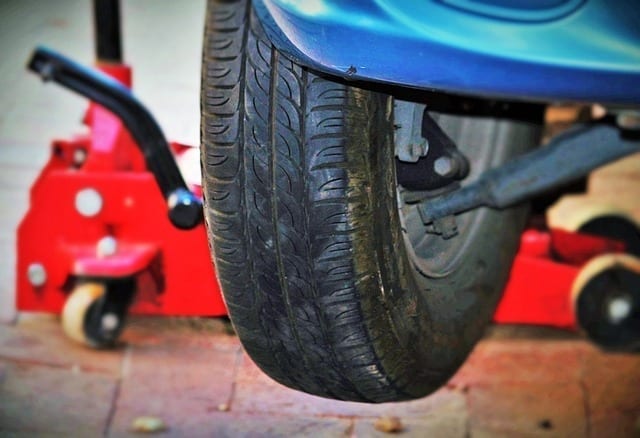
During this time I also had two children, the youngest being only a few months old. I couldn’t get a full-time job to boost my income. I was in total dire straits. We’d already used comparison sites to make utility switches and to get cheaper tariffs and subscriptions – for the broadband, phone, and cheaper TV. And typically, while in the depths of financial misery, my car failed its MOT. Nothing too drastic, luckily, but it needed new brakes and two tyres. I couldn’t be without my car, so I had to raise funds quickly. My dad offered to write me a cheque and post it to me – this covered the cost of the garage, but I couldn’t be without my car for the time it would take to arrive, get banked, and clear.
So what did I do? Well, knowing the funds were imminent I applied, and was accepted, for a quick loan. It was a lifeline – once approved the money was in my account the same day, my car was fixed and MOT issued. Within 8-10 days I’d cashed in dad’s cheque and paid the quick loan back. Yes it cost me a few pounds in interest, but barely more than the cost of re-booking my car’s MOT. So it worked for me.
Working as a freelancer
A key thing that I’ve learned is to ‘move with the times’. When I first became a freelance writer, I wrote for print publications. With time the majority of my work became online publications … and then SEO was the buzzword. You mustn’t bury your head in the sand. It’s important to keep learning. Back in the day blogs were unheard of. Now I’m predominantly a blogger, and my income primarily comes from my blog. But I’m learning all the time!
Freelance working, from home, has so many positives. But there is a price to pay for this – and that’s the uncertainty of income, unless you’re one of the lucky ones with guaranteed commissions each month. Just save money when you can – have a good rainy day fund – because you’ll never know when you might need it.