
We’ve never been to India, for several reasons. Mainly, where do you start when planning your trip? There’s so much to see – how do you pick which region to visit? Do you need to arrange a visa, and how easy is it to do? What about the health worries? It’s a long way to go, and a lot of money to spend, if the trip is ruined by a stomach upset. What about travel vaccinations? Is it a safe country to visit with my family? How easy is it to get around? So many questions, which need answering before you can plan an itinerary.
Do you need to arrange a visa?
Short answer, yes. The e-visa for India is actually a choice between three e-visas – the ‘eTourist visa’, the ‘eBusiness visa’, and the ‘eMedical visa’. They are all valid for 365 days. For us, we’d obviously each need the digital Indian visa for travel, allowing us to stay in India for 180 consecutive days. The application process is all done online, and within a week you are emailed a PDF to print off to carry with you on your travels. It takes about 10 minutes to apply online.
Do I need travel vaccinations?
Whenever I consider visiting a new country I always check out the Travel Health Pro website, as this is where GPs get their information from regarding travel vaccinations. Taking a look at India, it tells me that I should ensure my family’s routine vaccinations and boosters (especially tetanus, diphtheria and polio) are up to date. Malaria is a risk, depending on the season we travel, and the regions we visit … antimalarials might be worth considering. The same for the typhoid vaccination; it’s not required, but it’s an optional consideration.
What about the famous ‘Delhi belly’?
According to some travel blogger friends who have been to India, if you are going to get Delhi belly, it’ll happen within the first 7 days of your holiday. Delhi is a genuine hotspot apparently. They suggest the following: Boil, Cook, Peel or Avoid. Boil water and milk, and stick to bottled and cartoned drinks. Avoid ice. No raw food – cook everything and eat while hot. Stick to fruit and veg that you can peel. Avoid ice cream ☹ If you eat street food, ensure it’s cooked from fresh in front of you, and that there’s no raw ingredients added at the end (make sure it is hot).
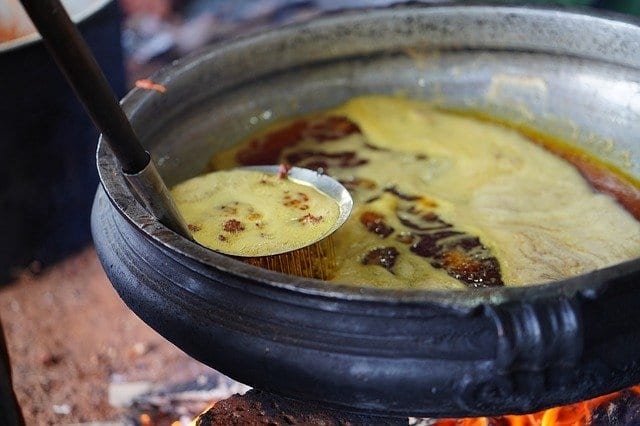
Something we’re getting very good at the moment – washing our hands regularly (especially with antiviral hand wash) – greatly reduces your risk too. Because of the heat in India, it’s important that you drink 2 litres of water a day. The early signs of dehydration are very similar to that of food poisoning.
If you do get a bad belly, for a good 24 hours, drink water and a very plain diet of rice and yoghurt. It goes without saying that you should have comprehensive travel insurance.
Is India safe?
My research, across the web and several blogs, is that India is generally safe, if you use common sense. Most overseas visitors arrive into Delhi, where there’s a huge population. Petty theft can be common (wear a money belt), unwanted attention (especially of females) is common (dress conservatively, don’t smile back), and there’s a lot of poverty and beggars (don’t give money but offer goods instead). Arrange pre-paid transfers for when you first arrive, otherwise you may get scammed.
Several times I read that the best way to get around is to hire a car and driver for the duration of your visit.
Finally, on to picking an itinerary!
My research, taking all I’ve read into account, pushes me towards booking an organised trip rather than independent travel, certainly for a first visit to India. For my family I feel this is the best way for us to focus on the destination as opposed to constantly worrying about other things. Many holiday companies offer the Golden Triangle Tour, and this is what I would love to do.
Golden Triangle, India
The three points of the triangle are Delhi, Taj Mahal, Jaipur.
Jaipur
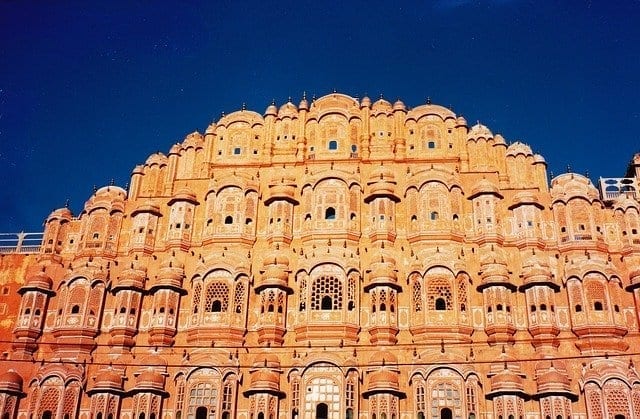
Jaipur is also known as the Pink City because of its pink-tinged buildings and walls. Here you can visit the 18th Century Hawa Mahal the ‘palace next door’, as well as the Jantar Mantar Medieval Observatory. You can take a jeep to the UNESCO World Heritage Sun Gate of the Amer Fort site, all build of red sandstone. Jaipur is also famous for its souvenir markets.
Agra and the Taj Mahal
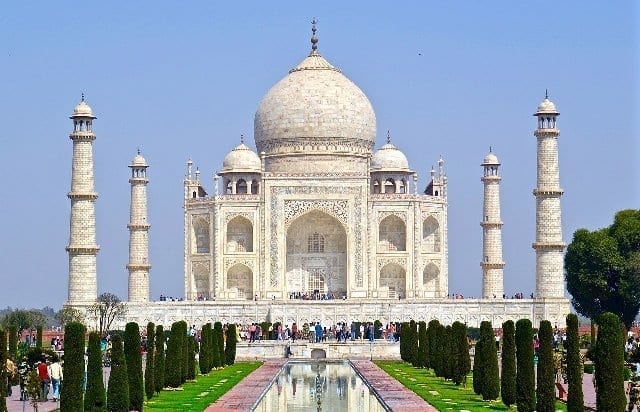
Agra, of course, is famous for the Taj Mahal; the building that took 21 years and 20,000 builders to construct. This has to be on any India itinerary! Agra Fort, another UNESCO site, is also well worth visiting once you’ve had your fill of the Taj Mahal!
Delhi
Delhi is considered one of the oldest cities in the world. Here I’d like to see the Red Fort and all the museums within it, as well as the Jama Masjid mosque and the India Gate war memorial.
If there’s time, after all this sightseeing, I’d like to book us a relaxing few days in a beachside hotel in Goa 😊


Going on a tour for your first trip in India is a good idea as it can be quite overwhelming at first. Having a few days on the beaches of Goa is also a great idea!
Thank you for posting. This is a nice article. waiting to see your more articles