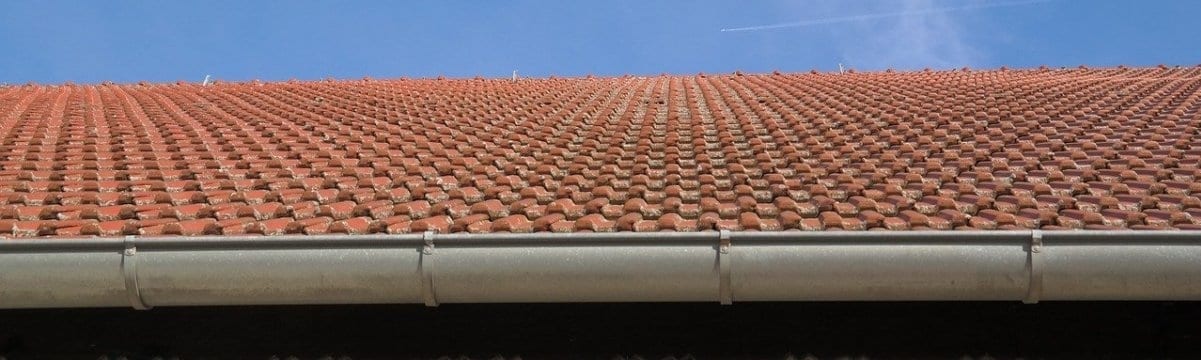
If you have spotted a crack or even a leak somewhere in your property, it is crucially important not to ignore it. Even a small amount of damage can lead to bigger problems, like damp, mould and possibly serious structural issues. Therefore, it would be wise to inspect your property on a regular basis and carry out any essential repairs as soon as possible. Here is some great advice from a signal foundations company on how to successfully protect your home from cracks and leaks.
Don’t forget about the roof
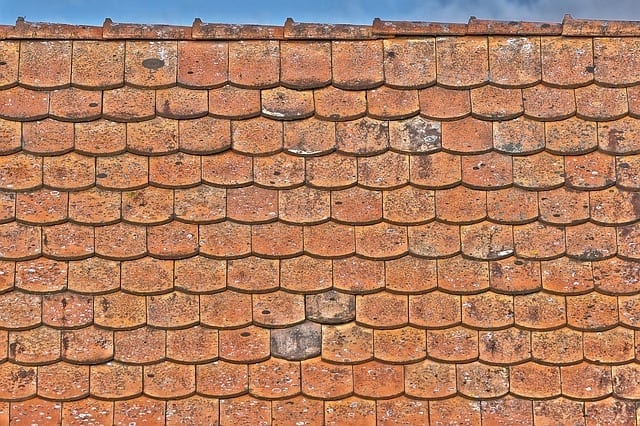
When examining your property, don’t forget about the roof. In fact, it is a good idea to start at the top of the building and work your way down to the land around it so that you don’t miss anything. You can call in the help of a specialist to perform a property inspection if necessary.
Consider the roof tiles
Consider the roof tiles; are there any missing or damaged ones? Roof tiles are intended to keep rain out and shield your home from other harsh weather, so it is vital that you properly maintain them. Broken tiles should be fixed or, better still, replaced as soon as possible to prevent internal issues.
Check your gutters
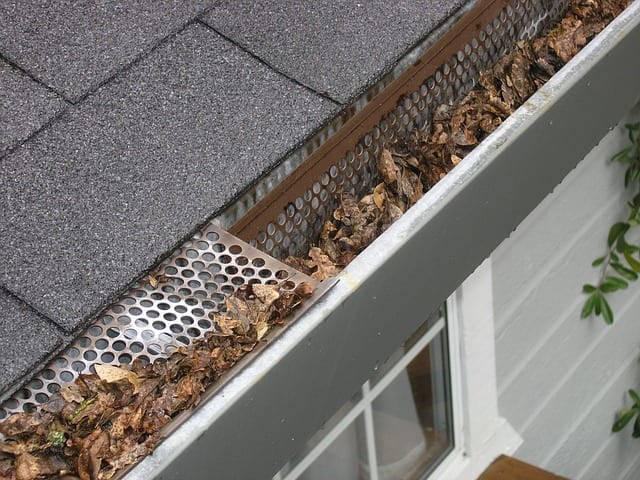
Frequently check your gutters for an accumulation of leaves and other debris, as this can lead to blockages and cause rainwater to spill over onto the walls of your home. If you do happen to notice water leaking from your guttering after it has rained, then some sort of obstruction is likely to be the cause.
Check walls of your property
Have a look at the walls of your property, looking out for cracks, leaks, or water damage. If there are any gaps around pipes or in between bricks, be sure to fill them in. You should also check the seals around your windows and apply a weatherproof sealant to stop moisture from seeping inside.
Examine property boundaries
Another thing you should do is examine the boundaries of your property to ensure that any water on the ground runs away from your home, rather than pooling nearby. Puddles can cause the soil beneath to become too moist, resulting in issues with the foundations of your home. This can cause serious structural damage. Likewise, if the soil becomes too dry during warmer weather, the soil tends to shrink which can cause shifts in the foundations, again leading to structural damage. With that said, try to remove pooling water during rainy seasons, but keep the ground moist during summer.


