We recently discussed different things you can do to help your child become more independent, including gradually letting them take over the self-care tasks you’ve done until now. But, once your child has started to tackle things like their own morning routine, you may want to take those benefits even further.
After all, there’s a lot more to being independent than knowing how to brush their own teeth. This is an undeniably great start, but it’s also important to encourage a broader independent outlook to ensure your child develops confidence and strong self-esteem.
Many parents approach this task by simply telling their kids to do things by themselves, but this rarely works. Instead of achieving any independence, your child will most likely feel lost and like they need to call you every five minutes. Instead, you’d be far better off encouraging total independence in life and play using the following unexpected techniques.

Let Them Make Choices
While you might have just about got your head around giving them ten extra minutes each morning to brush their teeth, you probably still pick out your child’s outfits and choose breakfast for them. This is your way of caring. Unfortunately, it could also be standing in the way of your child’s independence.
In truth, as much as you can, you should let your child make their own choices. Even if this means them picking a princess dress and a pair of Wellington boots for a park date, it doesn’t matter. The main thing here is to provide some element of choice. You can also guide key decisions like what they’re having for breakfast by providing two or three options, ensuring they make good choices, even when given free rein.
Encourage Them to Play Problem-Solving Games
Games might seem like a fun sideline, but you’d be surprised by how many games also offer invaluable educational benefits, especially for independence. Options like puzzles can be a great starting point, and you could build on those initial skills with more advanced age-appropriate games like Solitaire or Minesweeper. In each instance, you’re pushing your child’s skill set, and encouraging them to solve sometimes complex problems independently.
Admittedly, younger children might need a little assistance as they play, but try to pull back as they get the hang of things. Simply explain the rules, show them an example, and then encourage them to do more and more on their own until they can get stuck into play without you.
Recommend Risks
As a parent, this suggestion likely sends a shiver down your spine. You’ve spent years protecting your child from risks, how could we possibly suggest that you send them into the firing line? Obviously, you do need to protect your child from evidently dangerous risks, but as parents, we can also be guilty of protecting our children too much from failure of any kind.
This is a problem, as learning how to deal with failure is key to independence, and the ability for children to pick themselves back up.
You will need to pick calculated risks for them to address, such as tackling the climbing wall at the park or introducing themselves to a potential new friend. In some instances, you’ll also need to comfort them when these things don’t work out. Over time, though, risks will inevitably start to pay off, teaching your child how to address challenges independently and cope with whatever their outcome happens to be.
Enable New Skills
As parents, we often place ourselves at the centre of skills our kids might be trying to learn. For instance, we might guide them on what to put into a cake during baking or make clay models for them instead of letting them explore themselves. These are things we do in an attempt to interest our children and, early on, it can work to some extent.
As children get older, though, it’s important that we take a bit more of a step back and enable them to explore new skills alone. This could be as simple as drawing out diagrams for them to follow on their own when baking, or letting them pursue brand-new interests, such as sewing or knitting, on their own. It’s especially worth introducing them to things like YouTube tutorials during this pursuit, as these can provide much-needed guidance without requiring you to overbear and ultimately take over new skills as your child develops them.

Let Them Look After Something
The majority of parents are so focused on looking after their children that it doesn’t even cross their mind to give their child something to look after. This is especially true for younger children, who you may assume won’t know what it takes to care for something well. Still, it can be more worthwhile than you might think to provide kids with low-level care tasks.
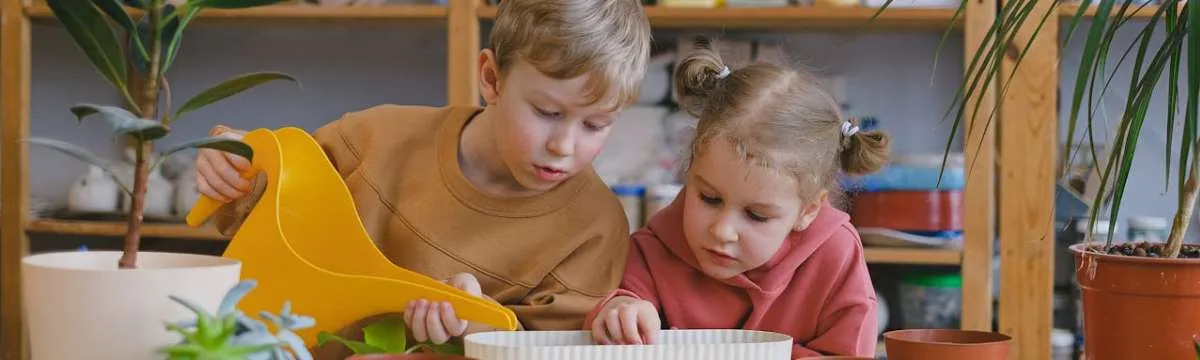
To start with, something as simple as giving your child an ongoing task, such as watering your outdoor flowers, could be enough here. With relatively low stakes, this sense of responsibility will help them feel accomplished and independent. Once they’ve mastered that basic responsibility, you could then shift to things like giving them their own plants to grow, or even getting them a pet that’s relatively easy to care for, like a fish. This can be invaluable for even children as young as three or four and can be a great way to get your youngster to stand on their own two feet a lot sooner.
Takeaway
Encouraging independence isn’t always easy to do, and many of us focus on getting our kids to take on daily care tasks above all. While that is vital, true independence is a far more rounded issue and should see them standing on their own two feet for everything from self-care to play and beyond.
As surprising as some of these tips might seem, they can help your child develop independence in all areas. That can be life-changing and can help them to become happy adults with a far healthier independent outlook.


