DIY projects absolutely boomed during the global pandemic, to frankly no one’s surprise. And they are incredibly popular still. The rise comes with a corresponding increase in DIY-related accidents too, however. The Royal Society for the Prevention of Accidents reports, that currently a good 220,000 people are hospitalized in the UK due to DIY mishaps – 6,000 of those even end up being fatal.
Those are some gloomy statistics right there – but they only show and highlight the importance of proper protective equipment and safety measures. Have your safety glasses handy, wear your safety boots no matter the weather, and protect your ears, hands, and whatever else it is that might be affected by your project.
What should the kit include?
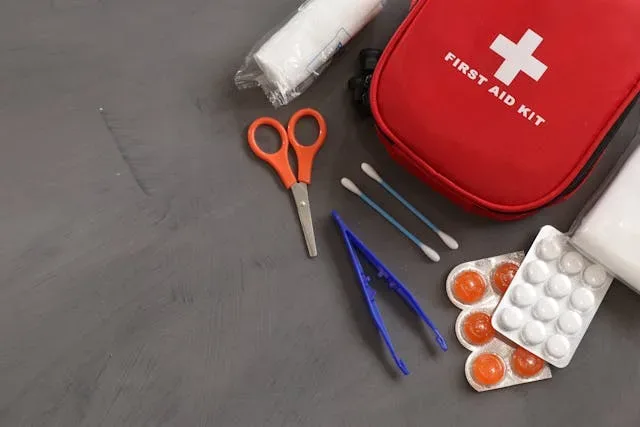
Every household should have a first aid kit at hand, of course, but if you’re hopping into a bit more complex DIY project, it should be stocked up to become an actual emergency kit. It can make an enormous difference in managing minor injuries promptly – potentially preventing more serious complications.
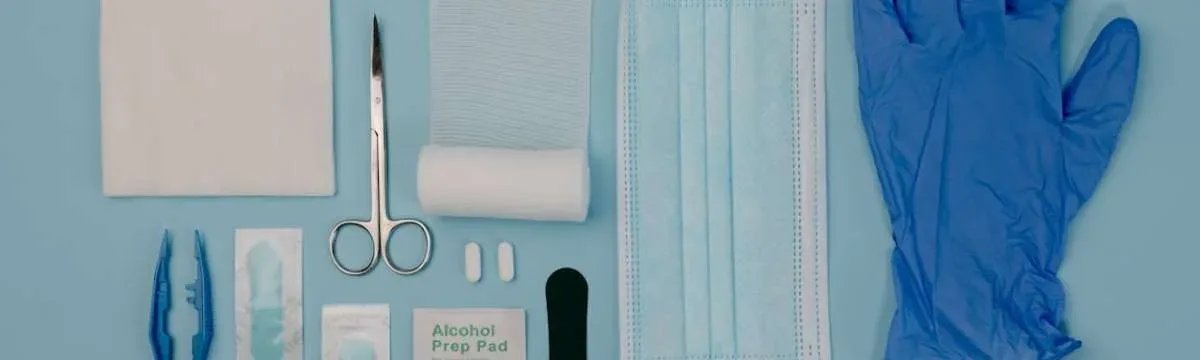
That being said, the basics should be accounted for. Bandages and gauze are essential for cuts and scrapes, protecting wounds from dirt and bacteria. Antiseptic wipes and ointments can prevent infections, and medical tape can help keep the whole shebang in place. A pair of tweezers and scissors is also good to have handy, for removing splinters or debris from wounds and cutting supplies to the required size.
But you also want tools for more immediate response. Elastic bandages provide support for sprains or strains, and instant cold packs reduce swelling and numb pain. Burn gel and dressings should be available if there is a risk of, well, burn. Eyewash and eye pads are equally important and seldom in anyone’s basic first aid kit. But depending on the project, debris or chemicals can go rogue quicker than you can possibly react. Finger splints are equally useful, as is a hydrocortisone cream that can treat inflammation and minor skin irritations.
Where and how should it be stored?
First aid should always be deposited somewhere where it’s not only easily accessible but also quickly removable – similar to a fire extinguisher (which we recommend having at least one throughout your home!). Ideally in a sturdy container. Keep it in a central, easily reachable location known to all family members – though do make sure that the kids won’t be able to access it if they aren’t old enough to handle it yet. The reason for this is, of course, to be able to act quickly once it is needed, reducing the time taken to respond to an injury.
Give it regular checks, too, to ensure all supplies are in good condition and not expired. Take this seriously, even though I know it’s tempting to simply leave out-of-date things in the kit. But once they run out, their sterility isn’t guaranteed anymore. They might start to deteriorate – thus no longer providing the protection needed.
Always be better safe than sorry
If you’re careful, you will hopefully not need your emergency kit. Or at least only for minor injuries – but it’ll be there for peace of mind. It’s also a good idea to keep a first aid manual in the kit. This is especially important when something happens that you aren’t necessarily prepared to handle. As well as a quick reference card or guide for performing CPR. Just in case.
DIY is fun and such a rewarding thing to do. Make sure you set yourself up for success when starting a project, making sure you have your protective equipment sorted and know you’ll be cared for in case of injuries!


